For nurses, the EPR changes how you work, but the shape of that change depends on what you do day to day.
Today, a lot of your day can involve paper, often recorded more than once: handover sheets, observation charts, assessment proformas, care plans. Some of this is already digital, like observations on WebV Obs, but much of it sits on paper because the systems around it have not caught up. The EPR brings it into one record, entered once and visible to the next person – on your ward, another site, or the next shift.
This is not about adding to your workload. Documentation repeated in more than one place, and workarounds that fill the gaps, take time away from patients now. The EPR is designed to reduce both, and to support safer, better joined-up care with fuller information at the point you need it, rather than decisions made for you.
You will also have a say before it is built. Nursing and midwifery staff are involved in co-design and validation as subject matter experts, so the workflows reflect how you actually work, not a generic system tour.
What this looks like in practice
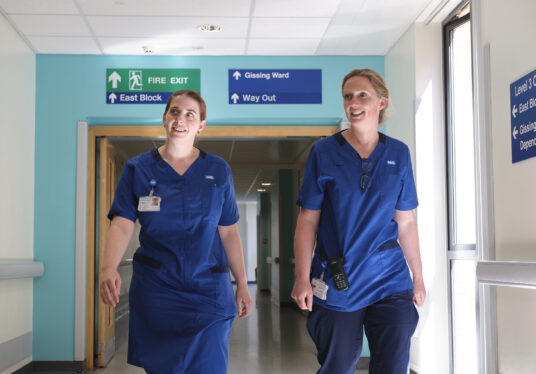
Three colleagues have shared what their day looks like now, and what could change for them: Olugbenga Odole, a bank health care support worker; Hayley Budrey, a stroke alert nurse and deputy sister; and Mel Buck, a maternity care assistant. Read their case studies below.